Solar System for Alarm: South Africa's 2026 Guide
What is a solar system for alarm, and why do South African homes need one?
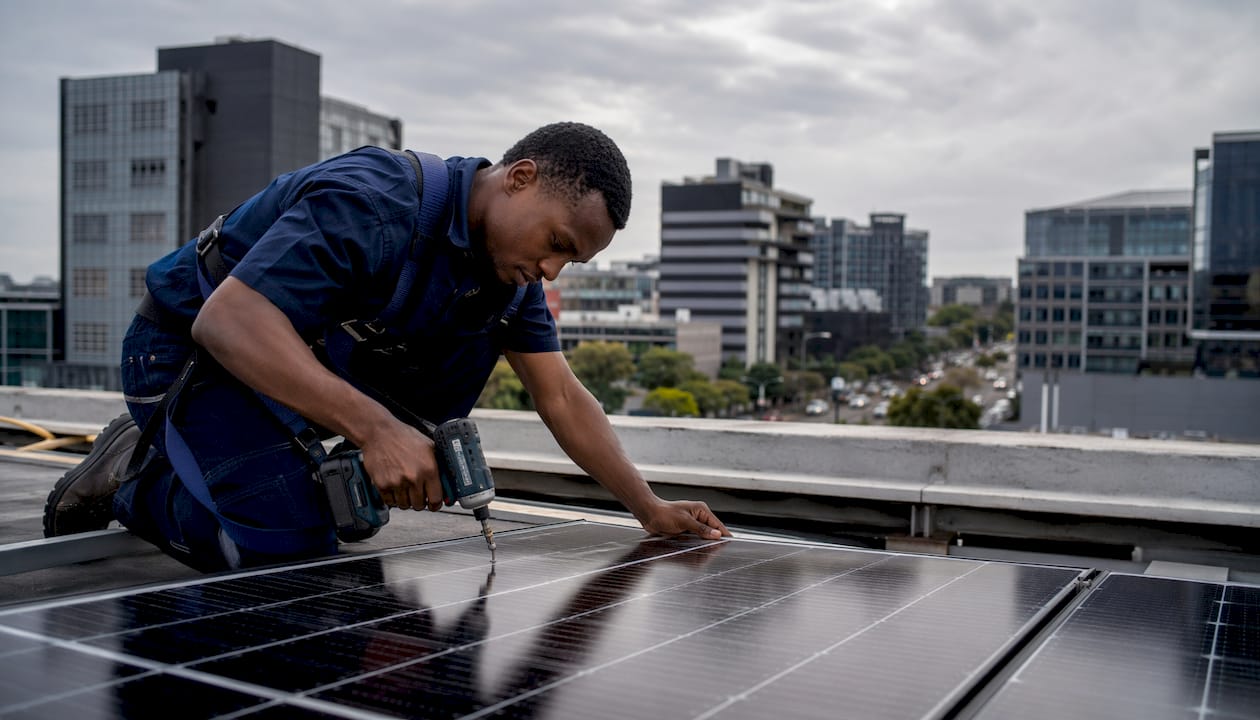
A solar alarm system runs your home security entirely on solar power, keeping sensors, sirens, and control panels active even when Eskom cuts the grid. The setup combines solar panels, a battery bank, and your alarm devices into one off-grid loop. When load shedding hits, nothing shuts down.
The practical benefits go beyond just staying on:
- Uninterrupted protection: Grid-tied alarms go dark during outages. A solar-powered alarm stays live through every stage of load shedding.
- Lower running costs: Solar energy replaces the grid power your alarm system draws around the clock, reducing your electricity bill over time.
- Battery resilience: Lithium iron phosphate (LiFePO4) batteries typically have a long lifespan and can hold sufficient charge to power a system for extended periods after charging from direct sunlight.
- Weatherproof outdoor coverage: Quality outdoor units carry IP65 ratings, handling dust, rain, and the temperature swings common across South African provinces.
- Hybrid inverter compatibility: Pairing your alarm with a hybrid inverter lets the system draw from solar, battery, or grid in sequence, so you never have a gap.
The weakest link in most solar security setups is not the panel. Experts point to insufficient battery capacity and poor false alarm filtering as the two most common failure points, because every unnecessary siren trigger drains the battery faster.
Which South African providers offer the best solar alarm systems?
Four verified local suppliers cover the range of what South African homeowners actually need, from basic solar alarm components to fully integrated smart home security.
| Provider | Services offered | Product specializations | Pricing transparency | Delivery and installation | Rating |
|---|---|---|---|---|---|
| EasyPower Solar | Hybrid inverters, solar modules, lithium batteries, combo deals, mounting structures | Solar power equipment for homes and businesses | Prices visible online; competitive combo deals | Nationwide delivery | 4.6★ (267 reviews) |
| Elektronites South Africa (Pty) Ltd | Solar solutions and installation services | Tailored local solar services | Not publicly listed | Randburg-based; local installation | 4.3★ (16 reviews) |
| Security and Solar Depot | Lighting, security systems, solar energy products | Home and business security plus solar | Prices displayed with discounts; free shipping over R1,000 | Vereeniging-based; ships nationally | 4.4★ (13 reviews) |
| Africa This and That | Smart home automation, security systems, solar installation, networking, home theatre | Integrated smart home, security, and solar | Not publicly listed | Johannesburg-based; installation services | 5★ (5 reviews) |
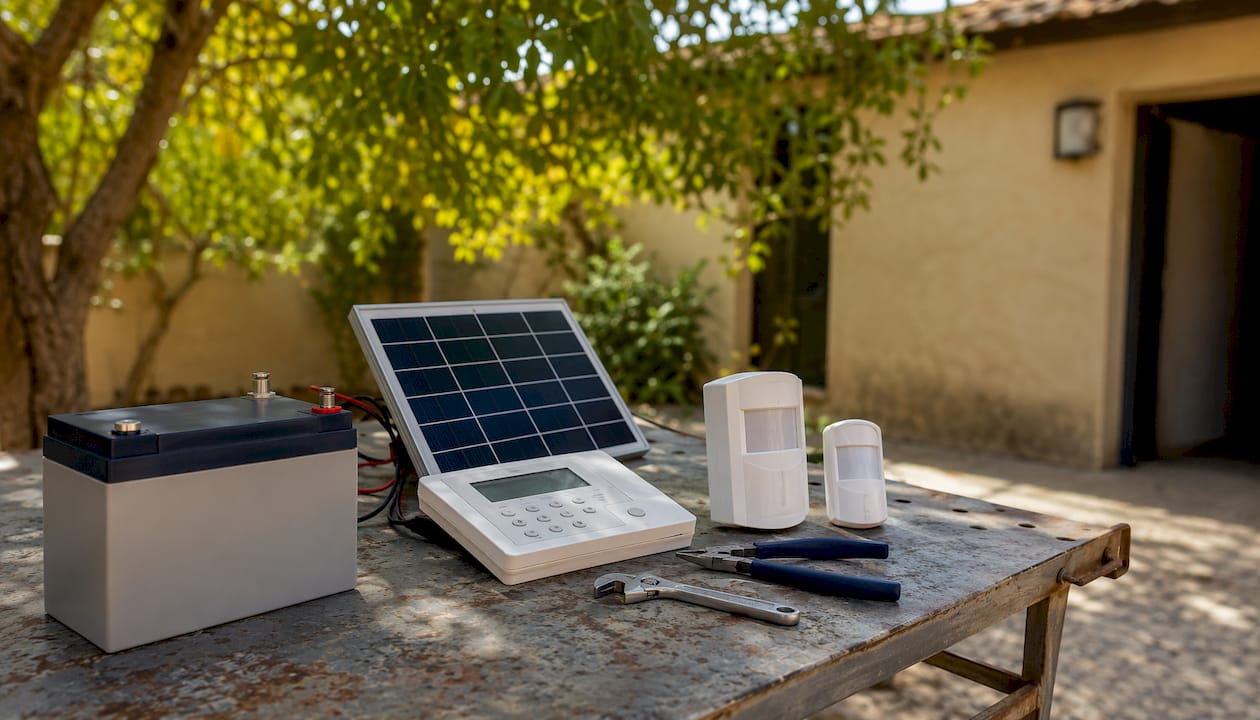 Security and Solar Depot occupies a specific niche: it sells both security hardware and solar products together, with discounts and free shipping on orders over R1,000. If you want to buy a PIR sensor, a siren, and a solar panel in one transaction, this is the most direct route.
Africa This and That is the right fit when you want your alarm wired into a broader smart home system. They handle solar installation alongside home automation, security cameras, and networking, so everything runs through one integrated setup rather than separate systems that do not communicate.
Security and Solar Depot occupies a specific niche: it sells both security hardware and solar products together, with discounts and free shipping on orders over R1,000. If you want to buy a PIR sensor, a siren, and a solar panel in one transaction, this is the most direct route.
Africa This and That is the right fit when you want your alarm wired into a broader smart home system. They handle solar installation alongside home automation, security cameras, and networking, so everything runs through one integrated setup rather than separate systems that do not communicate.
 Elektronites South Africa (Pty) Ltd is a verified local service provider in Randburg. Their focus is installation and solar services rather than product retail, which suits homeowners who want a hands-on local team rather than a self-sourced setup.
How do you choose the right solar system for your home alarm?
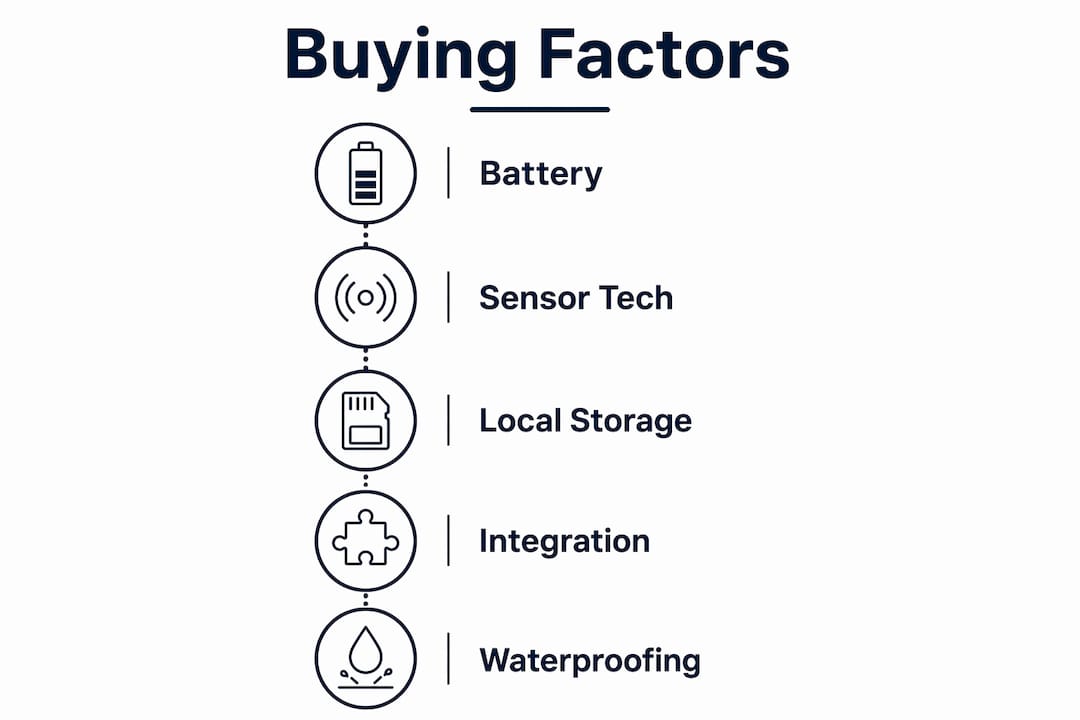
The buying decision comes down to five practical factors, and getting them wrong upfront costs more to fix later.
Battery capacity is the most critical spec to check. A system that runs a siren, control panel, and multiple sensors through a four-hour outage needs more amp-hours than most entry-level units provide. LiFePO4 batteries are the preferred chemistry for solar security because of their 7–8 year lifespan and stable discharge curve. Sensor technology determines how often your battery gets drained by false triggers. Dual-technology sensors that combine PIR and microwave detection require both technologies to trigger simultaneously before sounding an alarm. In suburban and rural South African settings, where wind, animals, and passing vehicles are constant, this cuts false alarms dramatically and protects battery life. Local storage over cloud-only. During load shedding, your internet router often goes down too. Systems with local storage keep footage and alerts accessible even when the connection drops, which is exactly when you need them most. Integration with your existing alarm panel. A standalone solar alarm device is better than nothing, but integrating it with your home alarm panel adds redundancy and enables professional monitoring notifications. Single devices alone leave gaps in coverage. You can also review solar battery options and pair them with a solar backup guide to size your system correctly before buying. Waterproofing and operating range. Outdoor units should carry at least an IP65 rating. Standalone solar perimeter alarms typically use 15–20W panels with 10Ah lithium batteries and produce siren volumes up to 120dB, with detection ranges from 1–10 meters depending on sensitivity settings. Pro Tip: Mount the solar panel in the sunniest spot available and position the detector separately in a shaded, concealed location. The two components do not need to be co-located, and separating them improves both charging efficiency and the difficulty of tampering with the detector.For ongoing maintenance, clean panels regularly to prevent dust buildup, and check battery health during extended cloudy periods. Some units include a USB charging port as a backup power source when sunlight is insufficient.
Solarza connects you with verified solar installers across South Africa
Getting a solar alarm system right depends as much on the installer as on the equipment. Solarza connects South African homeowners with vetted solar installers across all nine provinces, so you get a local professional who knows your area's load shedding patterns and grid conditions.
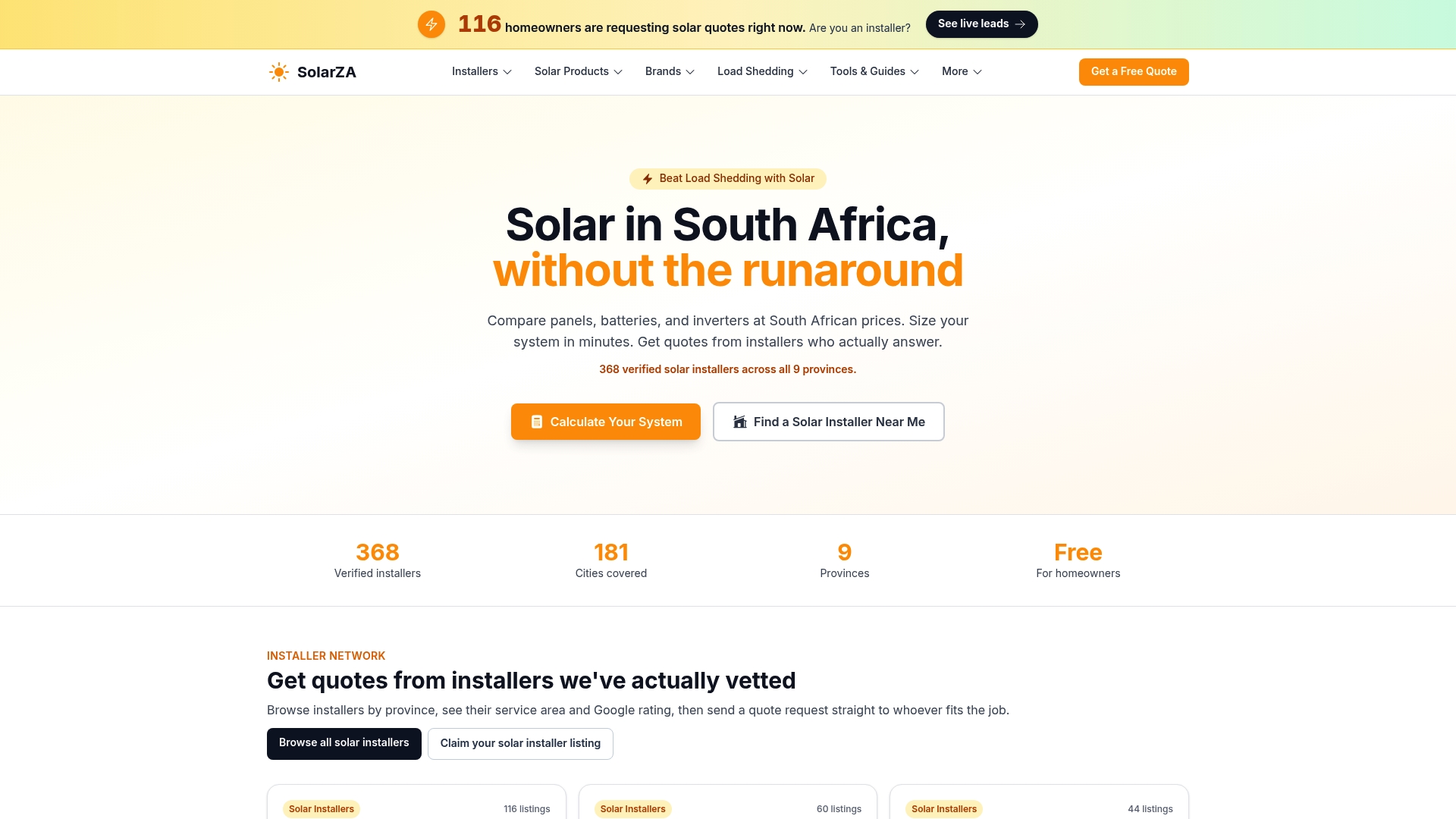
Use Solarza's solar cost calculator to estimate what a complete solar alarm setup will cost before you speak to anyone. Then find verified installers by city to compare quotes from professionals near you. Every installer in the directory is rated and reviewed, so you can see track records before committing.
Key Takeaways
A solar alarm system keeps your home protected during load shedding by combining solar panels, LiFePO4 batteries, and integrated alarm components into one off-grid security loop.
| Point | Details |
|---|---|
| Battery is the critical factor | LiFePO4 batteries last 7–8 years and can power a system for up to 30 days after two days of sunlight. |
| Dual-technology sensors save battery | PIR and microwave sensors combined cut false alarms, protecting battery life in suburban and rural settings. |
| Local storage beats cloud-only | Footage and alerts stay accessible during load shedding even when your internet connection drops. |
| Best-fit providers vary by need | EasyPower Solar suits DIY buyers; Africa This and That suits smart home integration; Security and Solar Depot covers combined security and solar purchases. |
| Solarza simplifies the process | Solarza connects homeowners with vetted local installers and provides a cost calculator to size and budget a solar alarm system. |
FAQ
What does a solar system for alarm include?
It combines solar panels, a lithium battery, a charge controller, and your alarm components (sensors, siren, control panel) into one off-grid power loop. The battery keeps everything running when the sun is down or the grid is off.
How long does a solar alarm battery last during load shedding?
LiFePO4 batteries used in quality solar alarm systems last 7–8 years and can sustain a system for up to 30 days after two days of direct sunlight charging.
Why do false alarms matter for solar alarm systems?
Every false trigger drains the battery. Dual-technology PIR and microwave sensors require both to activate simultaneously, cutting unnecessary triggers and extending battery life between charges.
Which South African provider is best for integrated solar and security?
Africa This and That specializes in combining smart home automation, security systems, and solar installation into one setup, making them the strongest fit for homeowners who want full integration.
How do I find a verified solar installer for my alarm system in South Africa?
Solarza lists vetted solar installers organized by city and province across all nine provinces, with ratings and reviews to help you compare before requesting a quote.