Solar Panels vs Inverter: What South African Homeowners Need to Know
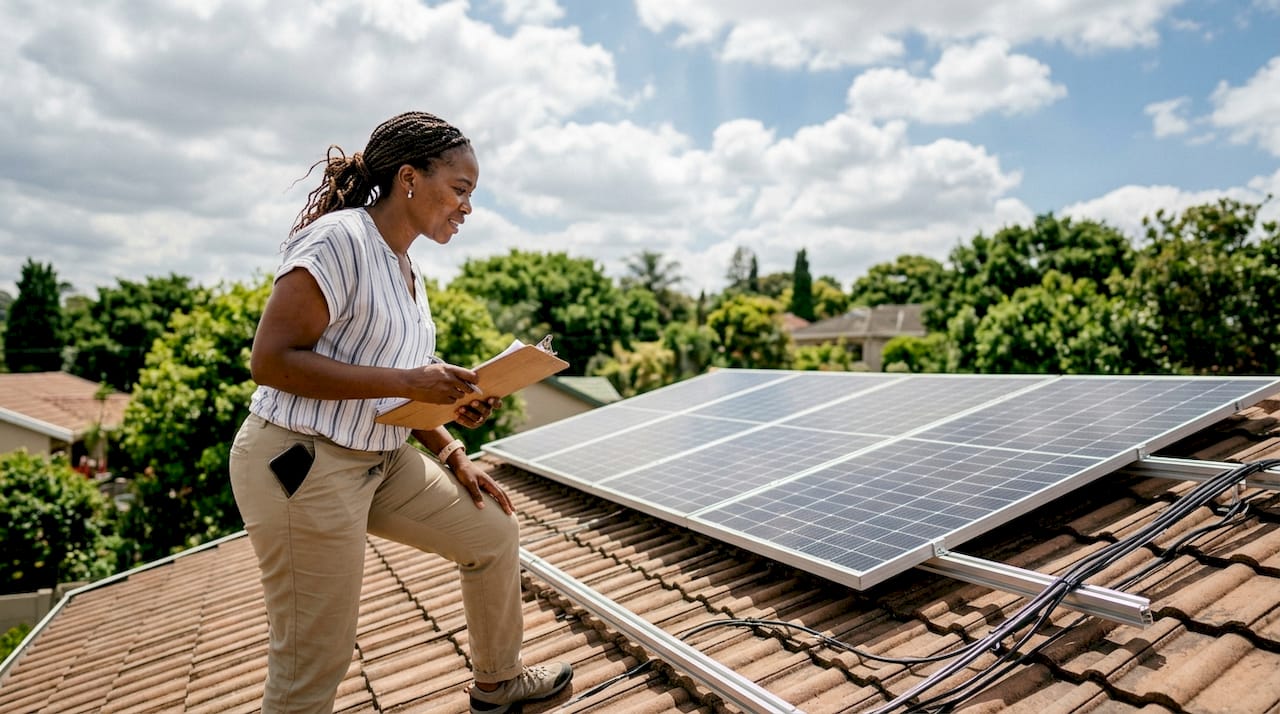
Solar panels and inverters are not interchangeable. They do completely different jobs, and you need both for a working home solar system. Panels capture sunlight and produce direct current (DC) electricity; learn more about how to assemble a home solar power system explained for homeowners. Inverters take that DC and convert it into alternating current (AC), the kind your appliances, lights, and TV actually run on. Without an inverter, your panels generate power you cannot use.
Here is what sets them apart at a glance:
- Solar panels convert sunlight into DC electricity. They have no moving parts, require minimal maintenance, and typically carry 25+ year warranties.
- Inverters convert DC to AC and manage power flow. They are the brains of the system but wear out faster, typically needing replacement after 10–15 years.
- Both components are non-negotiable. Panels without an inverter produce unusable electricity; an inverter without panels has nothing to convert.
The lifespan gap is the detail most homeowners miss. You will likely replace your inverter once or twice before your panels need attention, so budget for that upfront. *
What types of solar inverters are available in South Africa?
South Africa's residential solar market stocks four main inverter types, each with real trade-offs.
- String inverters wire multiple panels together into one string feeding a single inverter. They are the most affordable option and widely stocked locally. The catch: if one panel is shaded, the whole string's output drops. String inverters are common in South Africa but sensitive to shading from buildings and trees, a real issue in urban suburbs.
- Microinverters attach to each panel individually, so shading or a fault on one panel does not drag down the rest. They carry longer warranties and offer panel-level monitoring. The trade-off is a higher upfront cost and more hardware on your roof.
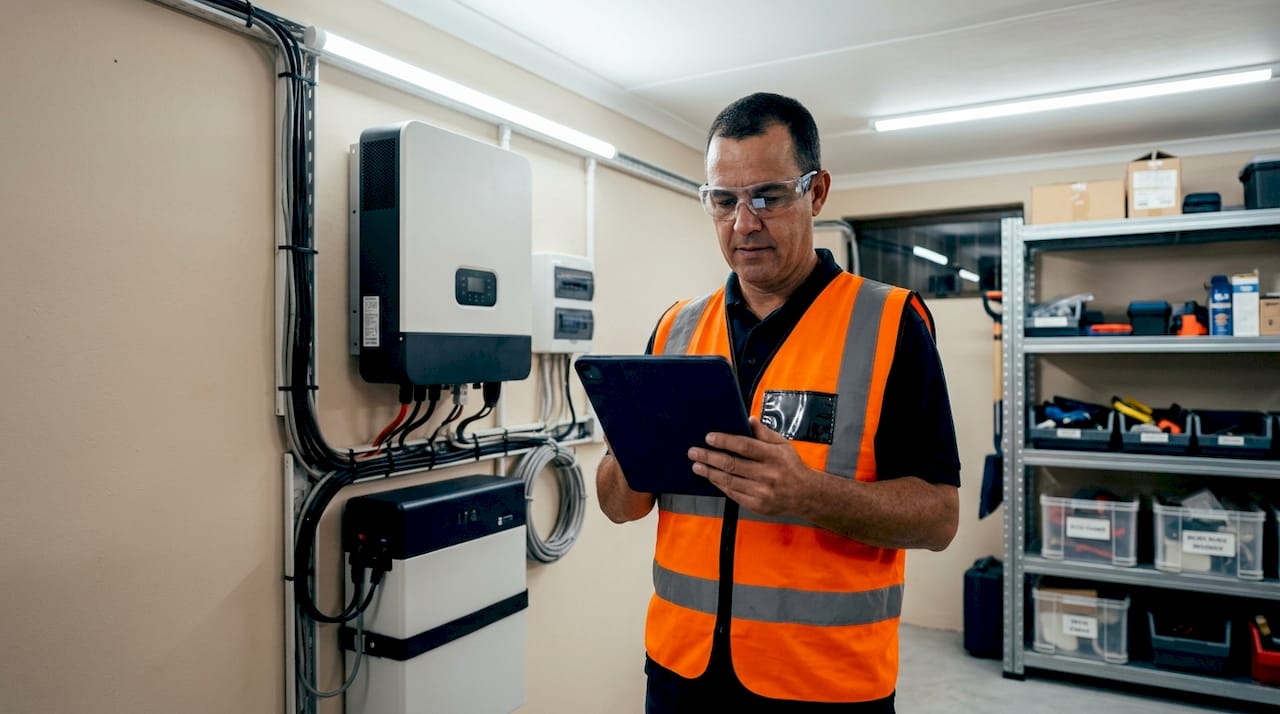
- Hybrid inverters handle both solar input and battery storage in one unit. For South African homes dealing with load shedding, this is often the most practical choice. Hybrid inverters combine solar energy conversion and battery management, making future battery integration straightforward.
- Power optimizers are not inverters themselves but work alongside string inverters to give panel-level performance tuning. They reduce shading losses without the full cost of microinverters.
For most South African homes, a hybrid inverter is worth the extra spend at the design stage. It keeps your options open for adding battery storage later without replacing the inverter. *
How do solar panels and inverters work together?
The power flow in a home solar system follows a simple sequence, but the quality of each step determines what you actually get out of it.
- Sunlight hits the solar panels, and the photovoltaic cells produce DC electricity.
- That DC travels via cables to the inverter, which switches the current direction rapidly to produce AC power at the correct voltage and frequency for your home.
- The inverter converts DC to AC and can simultaneously monitor system performance, communicate with your home network, and manage battery charging if storage is connected.
- AC power flows to your distribution board and then to your appliances, just like grid electricity.
Inverter quality has a direct effect on how much of your panels' output you actually use. A low-grade inverter introduces conversion losses and may not handle the panel array's full capacity. Underspending on inverters while overspending on panels leads to energy losses and system downtime. Shading matters here too: with a string inverter, a shadow across two panels at 2 PM can cut the whole array's output, not just those two panels. *
Key things to consider when choosing panels and inverters for your home
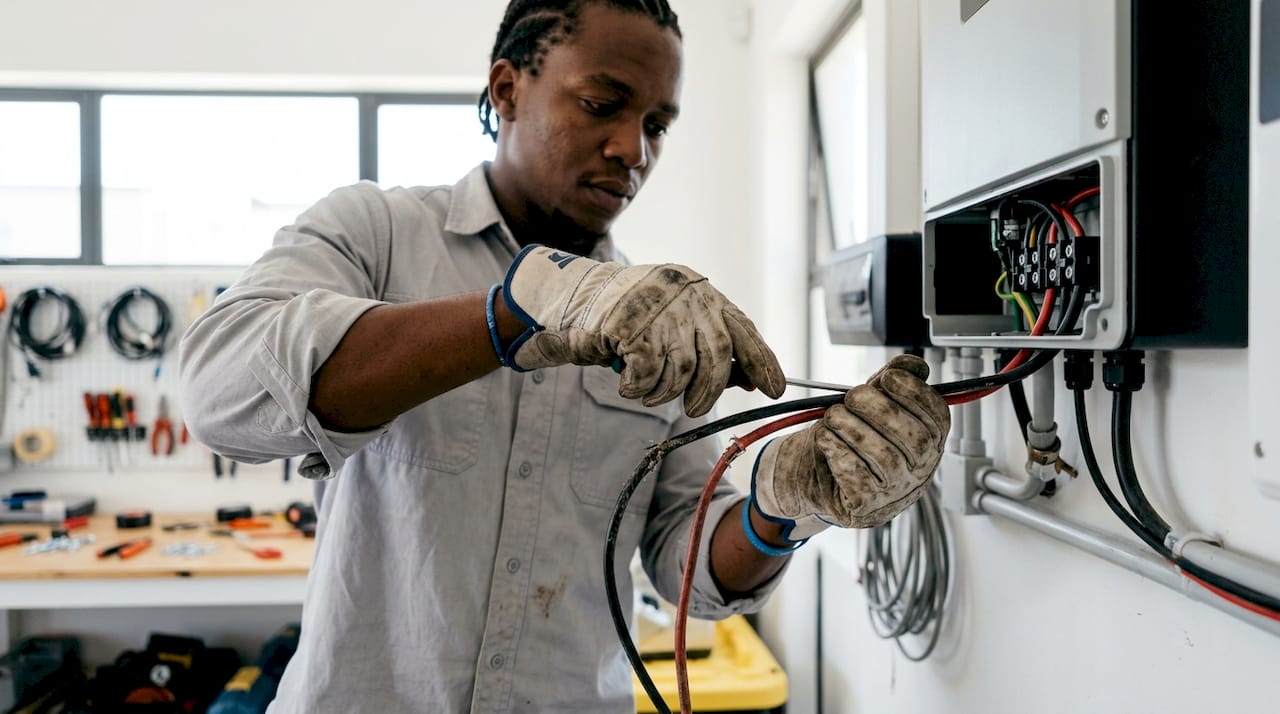
Getting the solar panel inverter comparison right before you buy saves money and frustration later.
- Panel efficiency and durability: South Africa's climate is generally favorable for solar, but coastal salt air, hail, and dust in drier regions affect panel longevity. Look for panels with strong weathering certifications and at least a 25-year performance warranty.
- Inverter compatibility with batteries: If you plan to add battery backup for load shedding, choose a hybrid inverter from the start. Retrofitting a battery to a grid-tie-only inverter often means replacing the inverter entirely.
- System sizing and heavy loads: A 5kW inverter can technically run a geyser, but may be overloaded if other heavy appliances run at the same time. Geysers typically draw 3kW on their own, leaving little headroom. Smart load management or a geyser timer is worth adding.
- Shading on your roof: Urban South African homes often deal with shading from neighboring buildings. If your roof has partial shade at any point in the day, microinverters or power optimizers will outperform a basic string setup.
- Budget for inverter replacement: Plan for one inverter replacement within the 25-year life of your panels. That cost belongs in your initial financial model, not as a surprise a decade from now.
Pro Tip: Balance your investment between panels and inverter. A premium panel array paired with a cheap inverter creates a bottleneck. The inverter limits what the whole system can deliver. *
Benefits of combining quality solar panels and inverters
A well-matched solar panel and inverter system does more than cut your electricity bill.
- Electricity cost reduction: Solarza reports that homeowners can reduce their electricity bills by up to 90% after a properly sized solar installation.
- Load shedding backup: Paired with a battery, a hybrid inverter keeps your lights and essential appliances running during outages. Without the battery, a grid-tied system shuts down during load shedding for safety reasons.
- Property value: A modern solar system with quality components adds measurable value to your home. Buyers increasingly factor in energy independence when evaluating properties.
- Expandability: A hybrid inverter purchased today can support a larger battery bank or additional panels as your needs grow, without a full system overhaul.
- Reliability: Quality inverters from established brands reduce downtime. Cheaper units may save money upfront but fail sooner, often outside warranty.
*
Verified South African solar providers for panels and inverters
These are established, locally operating businesses supplying solar panels, inverters, and related equipment across South Africa.
| Provider | Specialty | Coverage | Notable Detail |
|---|---|---|---|
| EasyPower Solar | Hybrid inverters, solar modules, lithium batteries | Nationwide delivery | Competitive pricing with easy returns and customer support |
| Inverter Warehouse | Solar panels, batteries, mounting systems | Nationwide | Focus on well-known quality brands with full local OEM support |
| GreenHouse | Custom solar system design and installation | South Africa | — |
| Solar Advice | Fully installed residential and commercial systems | South Africa | Subscription, finance, and cash options |
| Solar Panel Energy (Pty) Ltd | Backup and hybrid solar systems | Nationwide | Technical support and onsite problem solving included |
| Solar Warehouse SA | Hybrid inverters, lithium batteries, plug-and-play systems | Nationwide | Wide product range including portable power and accessories |
| Create Energy | UPS, batteries, inverters, solar | South Africa | Backup power focus alongside solar solutions |
| Sungrow Southern Africa | String inverters, energy storage, EV charging | South Africa (JHB) | Global manufacturer with residential to utility-scale products |
| Asunim Solar | Commercial and residential solar installations | South Africa | Project-based solar engineering and EPC services |
| Sunsynk Inverter | Sunsynk hybrid inverters, off-grid systems | South Africa | Repairs, maintenance, and installation of Sunsynk brand units |
What do solar panels actually do in your system?
Solar panels are the generation side of your system. Each panel contains photovoltaic cells, usually made from silicon, that release electrons when sunlight hits them. That electron movement is DC electricity. A standard residential panel produces between roughly 300W and 550W under ideal conditions, and a typical home installation strings several panels together to meet total household demand.
Panels are passive devices. They have no moving parts, no software to update, and no active management is required beyond keeping them clean and unshaded. Their 25+ year performance warranties reflect that durability. What they cannot do is make that electricity usable on their own. That is the inverter's job, and the two components only deliver value as a matched pair. For current pricing and sizing options, Solarza's solar panels guide covers what is available locally in 2026.
*Get matched with a verified installer through Solarza
Choosing between panels and inverter types is easier with a verified local installer who knows your area, your roof, and your load profile. Solarza connects South African homeowners with rated, vetted installers across all nine provinces. Get a free solar quote tailored to your home and start comparing options without the guesswork.
*Key Takeaways
Solar panels generate DC electricity from sunlight, but only a quality inverter converts that power into AC electricity your home can actually use.
| Point | Details |
|---|---|
| Panels vs inverter roles | Panels generate DC electricity; inverters convert it to AC for home appliances. |
| Lifespan gap | Panels last 25+ years; inverters typically need replacement after 10–15 years. |
| Hybrid inverters for load shedding | Hybrid inverters manage both solar and battery storage, ideal for South African homes. |
| Inverter quality matters | Underspending on an inverter while overspending on panels creates system bottlenecks. |
| Geyser load caution | A 5kW inverter can run a geyser but may be overloaded if other heavy appliances run simultaneously. |
FAQ
Which is better, a solar panel or an inverter?
Neither is better. They serve different functions and both are required. Solar panels generate electricity from sunlight; inverters convert that electricity into a form your home can use.
Which solar system is best for a home in South Africa?
A hybrid solar system with quality panels, a hybrid inverter, and lithium battery storage suits most South African homes, providing both daily savings and backup power during load shedding.
Can I run a geyser on a 5kW inverter?
A 5kW inverter can run a geyser, but may be overloaded if other high-draw appliances operate at the same time. A geyser timer or smart controller helps manage this.
What are the disadvantages of a solar inverter?
Inverters have a shorter lifespan than panels, typically 10–15 years, require eventual replacement, and string inverters lose performance when panels are partially shaded.
How do I find a verified solar installer in South Africa?
Solarza lists vetted, rated installers across all nine provinces. You can search by city or province and request a free quote directly through the platform.