Load Shedding Solutions for Home: South Africa 2026
 *
*
TL;DR:>
- The best load shedding solution for most South African homes in 2026 is a hybrid inverter with a lithium battery, optionally combined with solar panels.*
- This setup provides silent, instant backup, reduces electricity bills significantly, and is scalable for longer outages.
Load shedding solutions for home are backup power systems that keep your essential appliances running when the grid goes down. The best option for most South African homeowners in 2026 is a hybrid inverter paired with a lithium battery, optionally combined with solar panels. This combination delivers silent, instant backup, cuts electricity bills by 60–90%, and pays itself back in 3.5–5 years. Whether you are dealing with grid-wide outages or localized load reduction, the right system starts with understanding what each technology actually does for your home.
1. What load shedding backup solutions are available for South African homes?
The range of load shedding backup solutions runs from a R2,500 portable UPS unit to a fully installed solar-battery system costing over R100,000. Each option suits a different budget, home size, and outage duration. Knowing the tradeoffs upfront saves you from buying the wrong system twice.
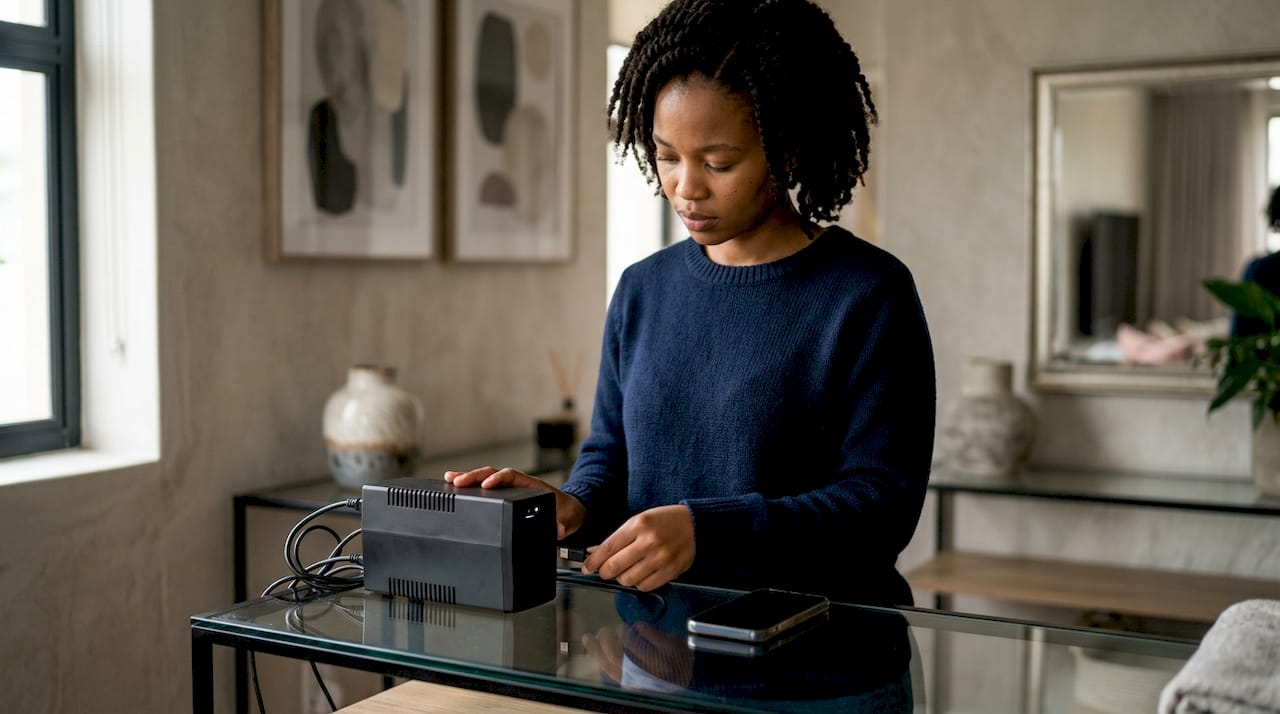 Portable UPS units are the entry point. They power small loads like Wi-Fi routers, LED lights, and phone chargers for 2–4 hours at a cost of R2,500–R8,000. They are easy to set up and require no installation, but they cannot run a fridge, kettle, or any heavy appliance.
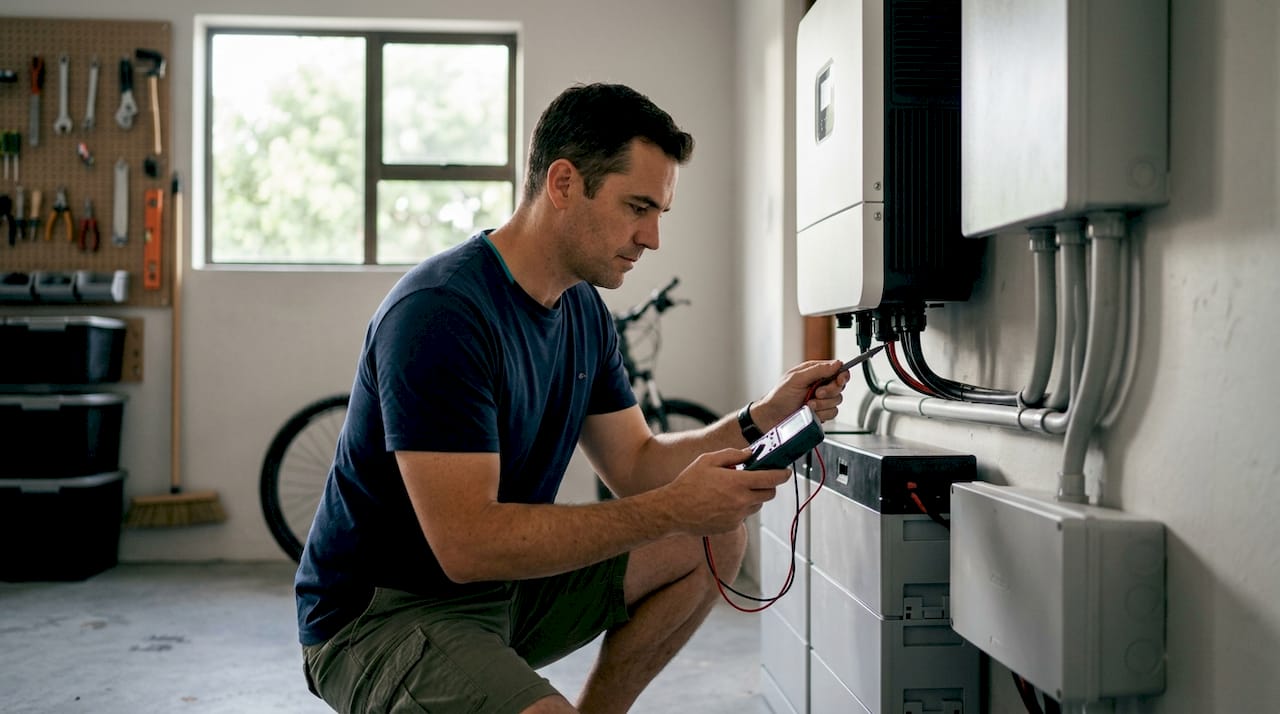
Hybrid inverter and lithium battery systems are the most practical whole-home solution. They switch to battery power in under 20 milliseconds, meaning your lights and devices never flicker. They run silently, produce zero emissions, and require almost no maintenance compared to a generator.
Generators offer unlimited runtime as long as you have fuel. The tradeoff is real: generators emit 60–80 dB of noise, require regular servicing, and carry ongoing fuel costs that add up fast. Most homeowners who start with a generator eventually switch to a battery system.
Full solar-plus-battery systems add solar panels to the hybrid inverter setup. The panels recharge your battery during the day, reducing your reliance on the grid and cutting your monthly electricity bill significantly.
Portable UPS units are the entry point. They power small loads like Wi-Fi routers, LED lights, and phone chargers for 2–4 hours at a cost of R2,500–R8,000. They are easy to set up and require no installation, but they cannot run a fridge, kettle, or any heavy appliance.
Hybrid inverter and lithium battery systems are the most practical whole-home solution. They switch to battery power in under 20 milliseconds, meaning your lights and devices never flicker. They run silently, produce zero emissions, and require almost no maintenance compared to a generator.
Generators offer unlimited runtime as long as you have fuel. The tradeoff is real: generators emit 60–80 dB of noise, require regular servicing, and carry ongoing fuel costs that add up fast. Most homeowners who start with a generator eventually switch to a battery system.
Full solar-plus-battery systems add solar panels to the hybrid inverter setup. The panels recharge your battery during the day, reducing your reliance on the grid and cutting your monthly electricity bill significantly.
| Solution type | Typical cost | Runtime | Noise | Whole-home capable |
|---|---|---|---|---|
| Portable UPS | R2,500–R8,000 | 2–4 hours | Silent | No |
| Hybrid inverter + battery | R50,000–R145,000 | 4–12+ hours | Silent | Yes |
| Generator | R15,000–R60,000 | Unlimited | 60–80 dB | Yes |
| Solar + battery system | R100,000–R145,000 | Day + night | Silent | Yes |
2. How to size a hybrid inverter and battery system correctly
Sizing is where most homeowners make expensive mistakes. A system that is too small trips during outages. A system that is too large wastes money upfront.
The standard recommendation for a South African home in 2026 is a 5 kVA hybrid inverter with a 10 kWh lithium battery. This combination handles a typical 3–4 bedroom home through Stage 4–6 outages lasting 4–12 hours. The installed cost runs between R100,000 and R145,000 when solar panels are included.
Understanding surge loads
Your inverter must handle more than just continuous power draw. Heavy appliances like refrigerators, pool pumps, and air conditioners pull a large burst of current when they start up. The inverter surge rating should be 2–3 times the continuous rating of your largest appliance. An undersized inverter trips the moment your fridge compressor kicks in, which defeats the purpose of the whole system.
Calculating usable battery capacity
A 10 kWh battery does not deliver 10 kWh of usable power. Depth-of-discharge limits and inverter efficiency losses reduce that figure to roughly 8 kWh in real-world conditions. Depth-of-discharge is typically capped at 80–90% to protect battery lifespan, and the inverter itself loses 5–10% in conversion. Plan your runtime estimates around 8 kWh, not 10 kWh.
Sizing for Stage 4–6 resilience
South African homeowners should size for the worst-case scenario, not the current grid situation. Stage 4–6 outages last 4–12 hours, which means a single 10 kWh battery may not be enough for a power-hungry household. Homes with high consumption should consider a 10–20 kWh usable battery bank to stay comfortable through extended outages.
Pro Tip: Add up the wattage of every appliance you want to run during an outage. Divide your usable battery capacity (in watt-hours) by that total to get your estimated runtime in hours. This simple calculation prevents nasty surprises.3. What role does solar play in a load shedding power solution?
Solar panels transform a backup system into a long-term energy asset. Without solar, your battery depletes during an outage and then recharges slowly from the grid. With solar, the panels recharge your battery during daylight hours, giving you a continuous cycle of free energy.
A 5 kWp solar array is the standard size for a 3–4 bedroom South African home. This matches the capacity of a 5 kVA hybrid inverter system and balances upfront cost against energy output. Larger homes or high-consumption households may need 8–10 kWp to cover their daily usage.
The financial case for solar is strong. A fully installed solar-battery system reduces electricity bills by 60–90% and pays back in 3.5–5 years. After payback, the energy is effectively free for the remaining 20+ year lifespan of the panels. Solar also increases your property's market value, which matters when you eventually sell.
Solar integration requires a hybrid or grid-forming inverter. A standard grid-tied inverter shuts down during load shedding as a safety measure. A hybrid inverter stays active, routes solar power to your home and battery, and only draws from the grid when needed. Choosing the right hybrid inverter type is not optional when solar is part of your plan.
Peak shaving is an added benefit that most homeowners overlook. A well-configured solar-battery system can reduce the amount of expensive peak-rate electricity you draw from the grid, even when load shedding is not happening. This compounds your savings month after month.4. Practical tips to get more from your backup system
Getting the most from your load shedding power solution goes beyond buying the right hardware. How you manage and maintain the system determines whether it performs well for 10 years or starts causing problems in year three.
- Use an Energy Management System (EMS). A modern EMS detects outages instantly, performs peak shaving, and manages when your battery charges and discharges. This turns a passive backup battery into a proactive energy asset that saves money every day, not just during outages.
- Plan for future growth. Avoid undersizing your system for your current appliance load. If you plan to add an electric vehicle charger, a heat pump geyser, or a home office setup in the next few years, size your inverter and battery bank to accommodate that growth now.
- Know the difference between load shedding and load reduction. Load shedding is a grid-wide, scheduled outage managed by Eskom. Load reduction is a localized issue caused by infrastructure problems in your area. South Africa's national grid has been stable for over 413 consecutive days as of mid-2026, but load reduction still affects specific neighborhoods. Your backup strategy should match your actual situation.
- Maintain your battery regularly. Check inverter settings every six months. Ensure your battery management system (BMS) firmware is up-to-date. Lithium batteries are low-maintenance, but they are not zero-maintenance.
- Use solar lights as a cheap supplement. Solar lighting for outdoor areas and key indoor spots costs very little and reduces the load on your main battery system during outages.
Pro Tip: If your budget is tight, start with a quality hybrid inverter and a single 5 kWh battery. Most systems are modular, so you can add a second battery later when your budget allows. Buying a cheap, non-expandable system to save money now often costs more in the long run.
Key takeaways
The most effective load shedding solution for a South African home is a 5 kVA hybrid inverter paired with a 10 kWh lithium battery, optionally combined with a 5 kWp solar array for maximum savings and resilience.
| Point | Details |
|---|---|
| Best whole-home solution | A 5 kVA hybrid inverter with 10 kWh lithium battery handles Stage 4–6 outages for most homes. |
| Usable battery capacity | A 10 kWh battery delivers roughly 8 kWh usable power after efficiency and discharge losses. |
| Surge loads matter | Size your inverter surge rating at 2–3 times the continuous rating of your largest appliance. |
| Solar accelerates ROI | Adding a 5 kWp solar array cuts bills by 60–90% and achieves payback in 3.5–5 years. |
| EMS adds daily value | An Energy Management System turns your battery into a proactive savings tool, not just a backup. |
Why I favor hybrid battery systems over generators every time
Kobus Kohvik, energy systems advisorGenerators have one genuine advantage: unlimited runtime. Every other metric goes to a lithium battery hybrid. I have seen homeowners spend R30,000 on a generator, then spend another R15,000 over three years on fuel, oil changes, and repairs. By year four, they are installing a battery system anyway.
The silent operation of a battery system is not a luxury. It is a quality-of-life issue. Running a generator at 70 dB for six hours while trying to work from home or put a child to sleep is genuinely miserable. A hybrid inverter switches over in under 20 milliseconds. You barely notice the grid went down.
The mistake I see most often is undersizing. Homeowners size for their current load and forget that appliances get added over time. A second fridge, a new TV, a home office setup. Size for where you will be in five years, not where you are today. The cost difference between a 5 kVA and an 8 kVA inverter is far smaller than the cost of replacing a system that cannot keep up.
My strongest recommendation is to integrate solar from day one if your budget allows. The battery alone solves load shedding. Solar solves your electricity bill. Together, they make your home genuinely energy-resilient for the next two decades.
— Kobus Kohvik
Solarza connects you with the right installer for your home
Finding a trustworthy installer is the hardest part of the process for most homeowners. Solarza solves that by connecting you with verified, rated solar and battery installers across all nine South African provinces.
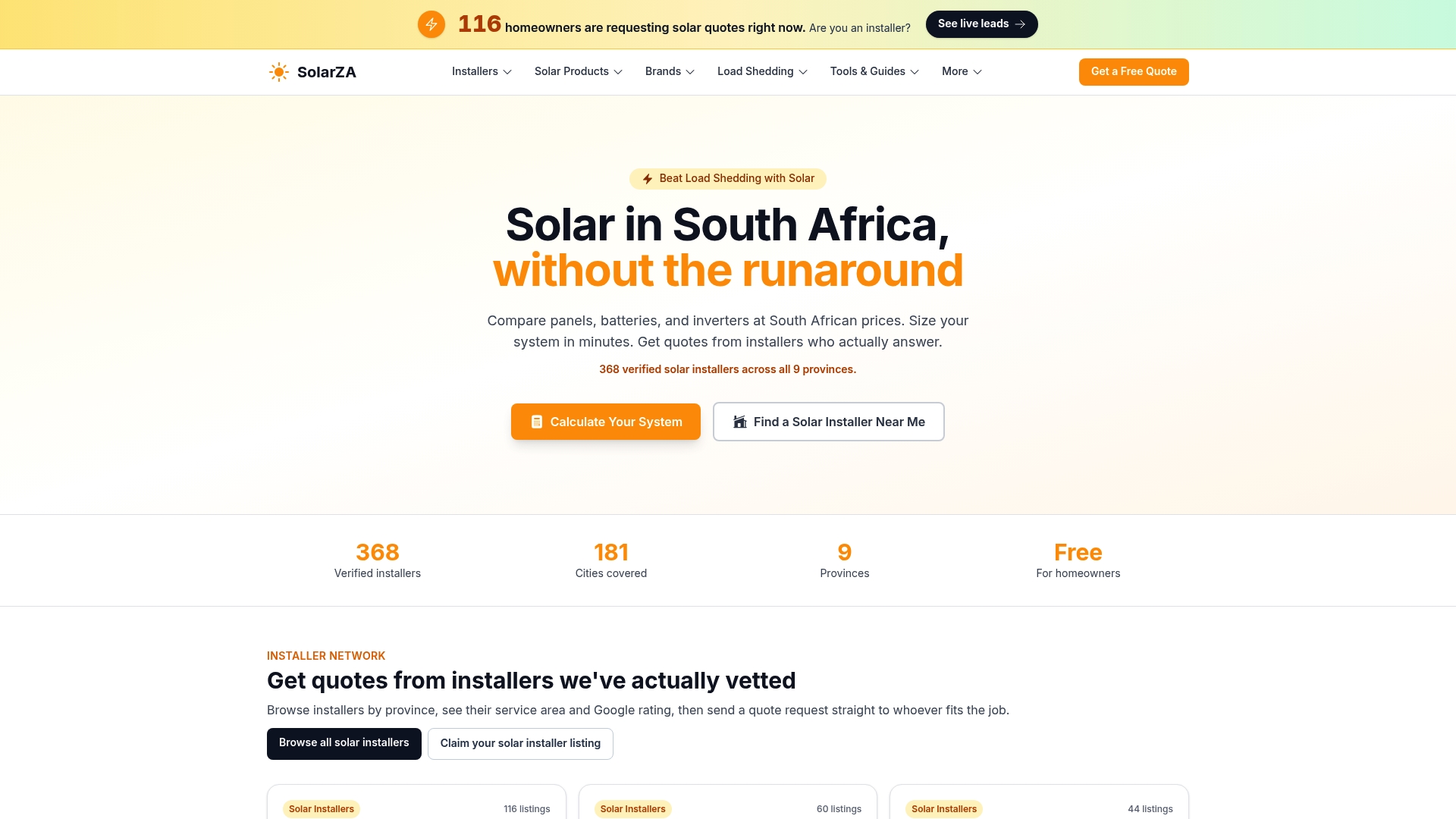
Whether you need a basic inverter-battery setup in Johannesburg or a full solar-battery system in Cape Town, Solarza matches you with installers who specialize in your area and your budget. You can browse installers by city or by province to find certified professionals near you. Every installer on the platform is vetted and rated by real homeowners. You get tailored quotes, expert system design, and proper warranty coverage. Request a free quote and get matched with the right installer for your home today.
FAQ
What is the best solution for load shedding at home?
A 5 kVA hybrid inverter paired with a 10 kWh lithium battery is the best whole-home solution for most South African homeowners. Adding a 5 kWp solar array reduces electricity bills by 60–90% and achieves payback in 3.5–5 years.
How long will a 10 kWh battery last during load shedding?
A 10 kWh battery delivers roughly 8 kWh of usable power after accounting for depth-of-discharge and inverter efficiency losses. Runtime depends on your load, but a typical home running lights, a fridge, and a TV can expect 6–10 hours of backup.
What is the difference between load shedding and load reduction?
Load shedding is a scheduled, grid-wide outage managed by Eskom to balance national electricity supply. Load reduction is a localized issue caused by infrastructure problems in a specific area, and it requires a separate backup strategy.
Are cheap load shedding solutions worth buying?
Portable UPS units costing R2,500–R8,000 are worth buying if you only need to keep Wi-Fi and lights running for 2–4 hours. For whole-home backup through Stage 4–6 outages, a properly sized hybrid inverter system is the only reliable option.
Can I add solar panels to an existing inverter-battery system?
You can add solar panels if your existing inverter is a hybrid or grid-forming model. A standard grid-tied inverter shuts down during load shedding and cannot route solar power to your home or battery during an outage.
Recommended
- Load Shedding South Africa 2026 - Live Schedules, Stages & Solutions | SolarZA
- Solar Batteries South Africa 2026 - Prices, Lithium & Deep Cycle | SolarZA
- SolarZA — Solar Installers, Prices & Load Shedding Solutions South Africa
- Solar Lights for Sale South Africa 2026 - Shop by Type & Price | SolarZA